PLPRIVATE LABEL
HANDBAGS
MADE IN ITALY
Italian handbag design studio

Private Label & White LabelItalian Handbags

A production route built around your market, not a generic catalogue.

Work with Italian bag makers that can read a commercial brief, engineer a model, select the right materials and deliver a collection that is coherent from sample to repeat order.

Material fluencyLeathers, linings and components
Model engineeringPatterns, structure and function
Production scaleFrom focused runs to repeat orders
Brand applicationLabels, hardware and packaging
Export readinessClear B2B documents and delivery

Private Label

Build the product around the brand

This route suits companies that need control over proportion, construction, materials and identity. The manufacturer turns a design direction into a technically sound article and records the decisions needed for consistent production.

  • Original silhouettes or substantial model changes
  • Dedicated sampling and technical corrections
  • Custom color, lining, branding and packaging
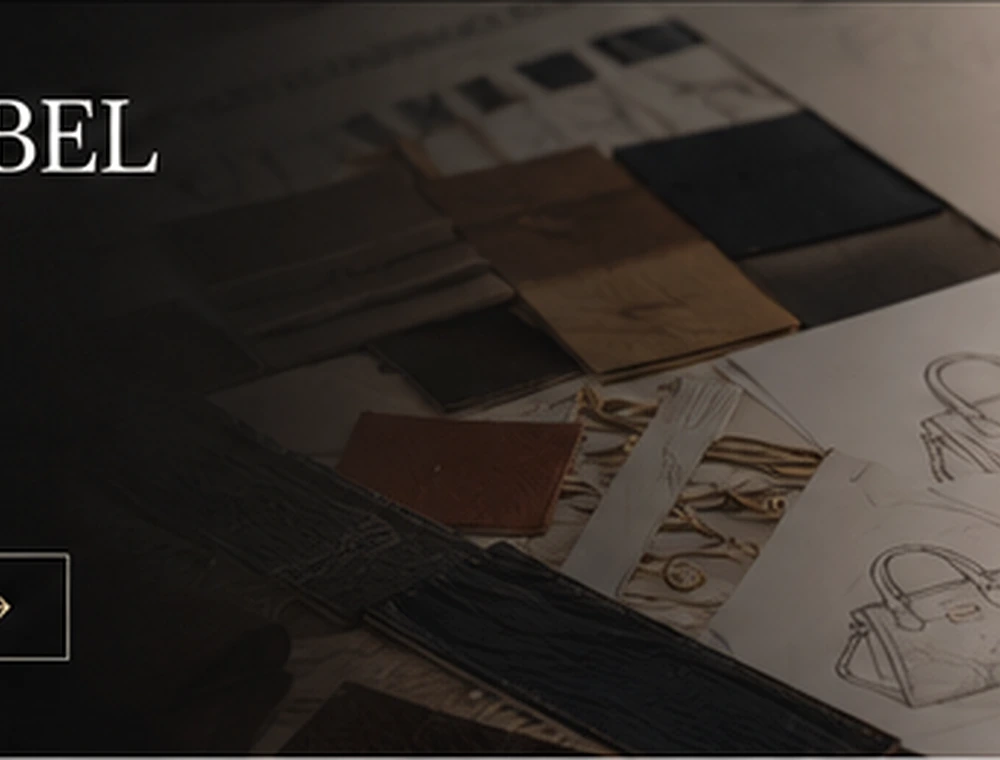
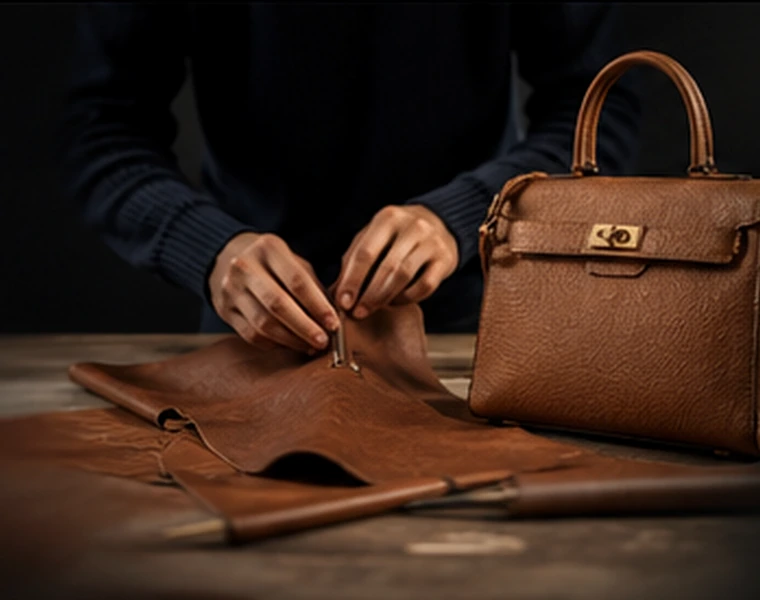
Private Label handbag development
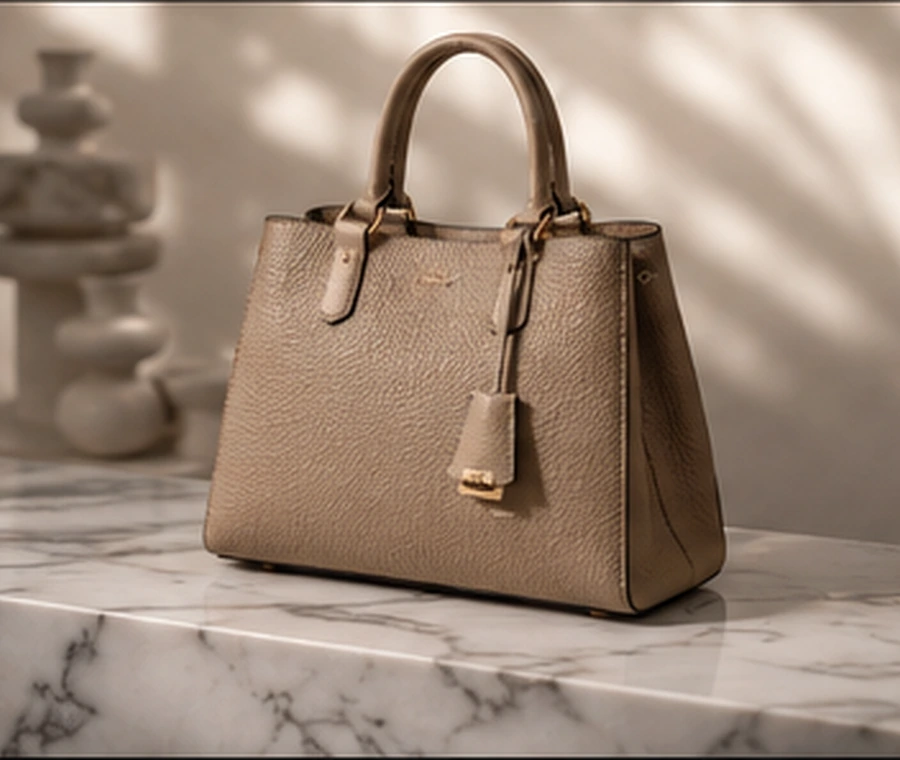
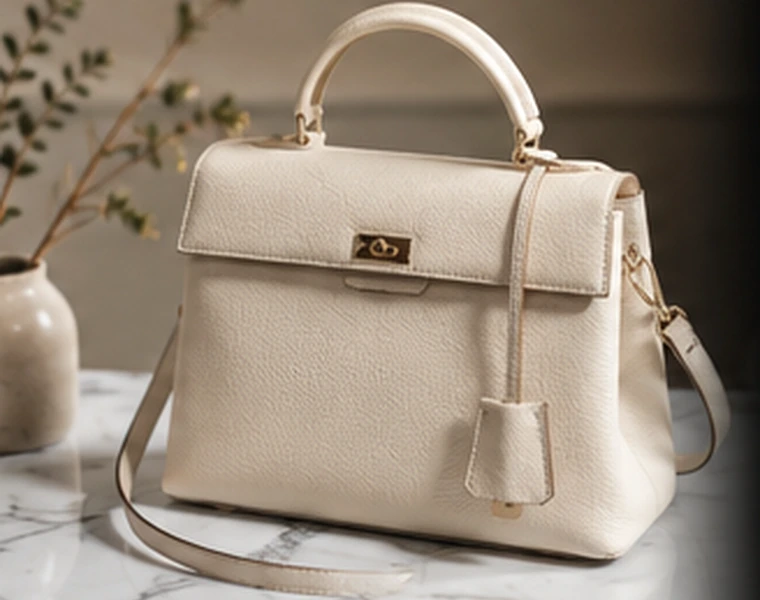
White Label Italian handbag

White Label

Begin with a proven base model

White Label is useful when timing and budget do not justify a full development cycle. A producer’s existing design becomes the starting point, while color, material and presentation are adjusted to your market.

  • Shorter route from selection to order
  • Lower development exposure on selected styles
  • A practical format for boutiques and test launches

Italian Production, Read Through Four Capabilities

The value of Made in Italy is not a decorative claim. It lies in a production culture where design, material behavior and manufacturing choices are considered together.

District Knowledge

District Knowledge

A connected specialist supply chain

Hand Skills

Hand Skills

Precise operations where machines are not enough

Material Judgment

Material Judgment

Choices based on use, cost and finish

Production Discipline

Production Discipline

Repeatable standards after sample approval

Have a collection idea that needs a manufacturing reality?

Present the project clearly and reach relevant Italian producers through ItalianModa B2B.

Start the Supplier Search →

B2B collection strategy

Start with the Business Case, Not with a Random Sample

A useful sourcing conversation begins with the customer, price point and channel. Once these are clear, the manufacturer can make intelligent choices about construction, leather, hardware and order structure.

For a new label

An emerging brand usually needs a focused assortment, manageable exposure and a supplier willing to explain trade-offs. The strongest brief identifies one or two hero products, a realistic selling price and a launch schedule that allows for corrections.

For an established business

A mature brand may need continuity, production capacity, cost transparency or a new category extension. In this case, the discussion should cover testing standards, approved suppliers, replenishment, quality reporting and how the new handbags will fit the existing assortment.

Product ownership and timing

Choose the Production Route Before You Request Prices

Private Label and White Label are not quality levels. They are different ways of organizing product ownership, development work and time to market.

Private Label Development

Use it when the model must be distinctive or technically specific. Expect a fuller exchange of drawings, prototypes, corrections and commercial decisions.

  • Best for a recognizable brand language
  • More control over construction and details
  • Requires time and a well-prepared brief

White Label Selection

Use it when reliable existing styles can answer the market need. The emphasis moves from invention to editing, color and brand presentation.

  • Faster assortment building
  • Lower sampling burden on chosen models
  • Customization remains within agreed limits

Adapted Manufacturer Line

Some projects sit between the two. A producer may modify a house model, adjust dimensions or replace key components without creating an entirely new article.

  • Useful for controlled differentiation
  • Can balance timing and exclusivity
  • Scope must be defined before quotation

A quote-ready brief

What a Manufacturer Needs in Order to Quote Responsibly

A price without a defined product is only an estimate. These six points give the producer enough context to propose a realistic route.

01

Market and sales channel

State where the collection will be sold and the type of customer it must serve.

02

Target price architecture

Give an expected wholesale or retail position so materials and construction can be calibrated.

03

Model list and dimensions

Identify the intended shapes, approximate sizes and functions, even when drawings are still preliminary.

04

Material direction

Indicate leather character, color range, metal finish, lining and any restricted substances or certification needs.

05

Volume and assortment

Share expected units per model, color split, launch size and likely replenishment.

06

Calendar and destination

Separate the desired launch date from the delivery date and identify the destination market and logistics needs.

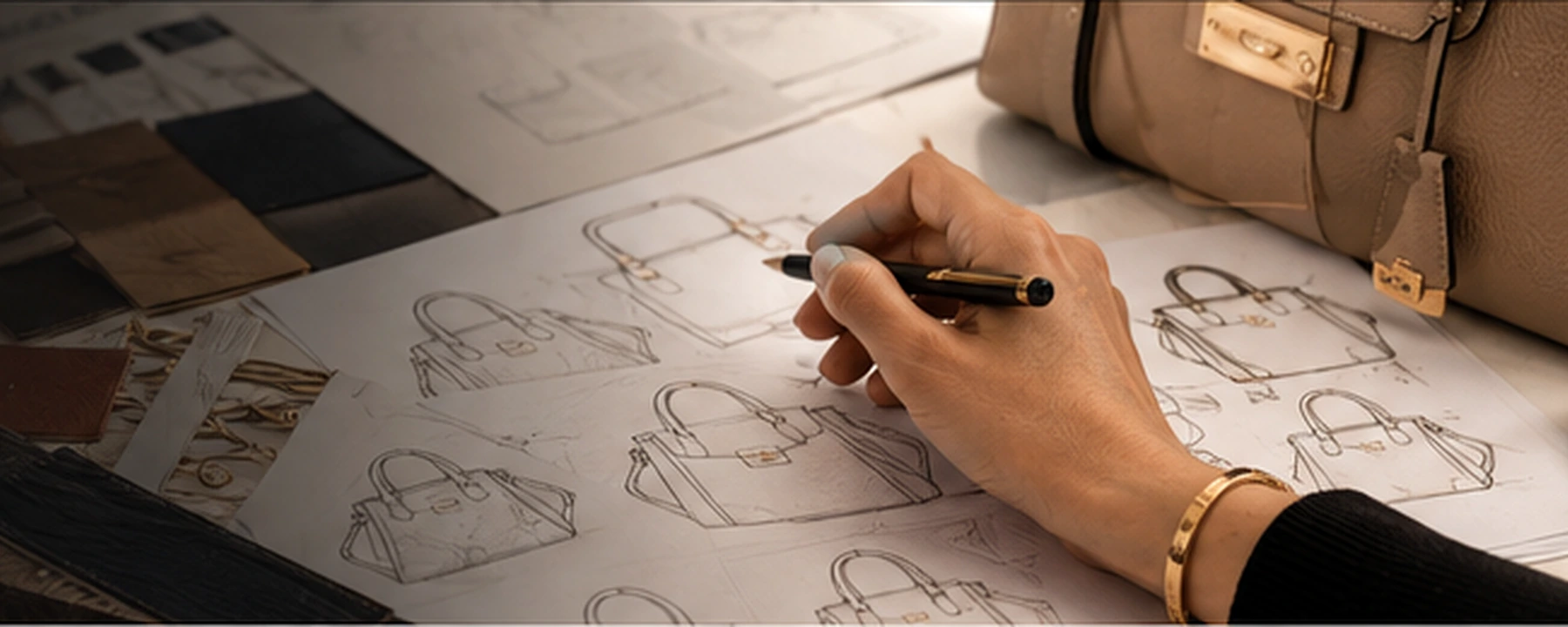
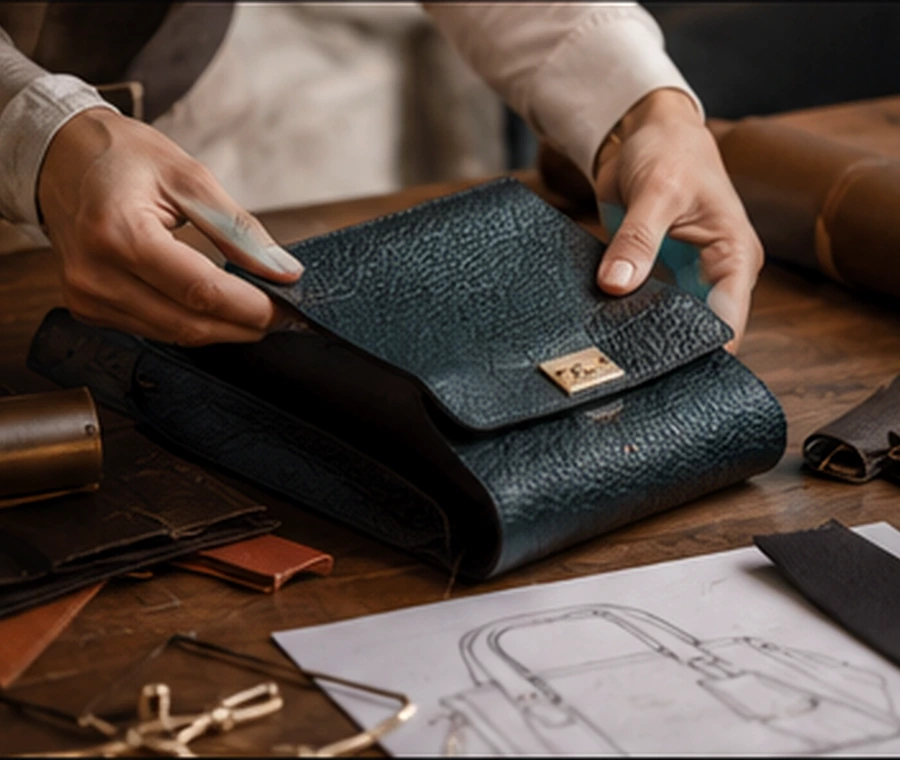
Premium leathers and handbag components

Product specification

Where the Product Is Actually Decided

The visible silhouette is only one part of the bag. Weight, durability, hand feel and perceived value are determined by a chain of less obvious specifications.

Leather character

Grain, temper, thickness and finishing must suit both the shape and the intended use.

Internal construction

Reinforcements, base boards, pocket structure and lining affect performance and cost.

Hardware system

Locks, zippers, chains, feet and attachments must work together mechanically and visually.

Edge and seam treatment

Skiving, folding, edge paint and stitch density strongly influence the final level of finish.

Color control

Leather, thread, lining and metal plating need approved references, not verbal descriptions.

Compliance and traceability

Destination-market requirements and documentation should be considered before materials are committed.
Collection architecture

Build a Range with Different Jobs, Not Six Versions of the Same Bag

A commercially useful collection normally combines image products, everyday sellers and accessible entry items. Italian producers can support a broad architecture of shapes and coordinated accessories.

Structured top-handle bags

Structured top-handle bags

Image-led day bags with controlled volume and precise construction.

Shoulder and hobo styles

Shoulder and hobo styles

Softer products designed around comfort, movement and daily use.

Totes and work bags

Totes and work bags

Functional capacity for business, travel and retail-friendly use.

Clutches and occasion bags

Clutches and occasion bags

Compact models where hardware and surface treatment carry more visual weight.

Raffia, textile and mixed-material bags

Raffia, textile and mixed-material bags

Seasonal products combining natural or woven materials with leather finishing.

Small leather goods

Small leather goods

Wallets, cardholders, cases and pouches that extend the collection at different price points.

Development sequence

From First Technical Conversation to Shipment

The sequence below is more useful than a generic promise of “full service.” Each phase should end with a clear decision or approved reference.

01

Feasibility review

The producer examines the brief, identifies critical points and proposes an appropriate development route.

02

Material and construction proposal

Leather, components, internal structure and possible alternatives are defined before the first complete sample.

03

Prototype assessment

Fit, balance, capacity, closures and finishing are tested; changes are recorded rather than left to memory.

04

Pre-production lock

The approved sample, bill of materials, colors, branding, packaging, quantity and tolerances are confirmed.

05

Manufacturing and handover

Production follows agreed controls, then goods are packed with the documents and shipping terms established in advance.

Supplier fit

How to Judge Whether a Supplier Fits the Project

A beautiful sample is not enough. The company must also be compatible with the order structure, calendar and level of communication required by the buyer.

Relevant product history

Ask to see work with comparable shapes, materials and complexity, not only general leather-goods experience.

Internal versus outsourced operations

Understand which steps are performed in-house and how external specialists are controlled.

Capacity at your order size

A factory can be excellent and still be unsuitable if your run is too small, too large or too fragmented.

Sampling discipline

Corrections should be documented and translated into production instructions.

Commercial clarity

Quotations should separate development, tooling, materials, packaging and production where relevant.

Continuity after launch

Discuss replenishment, color extensions, replacement components and the storage of patterns or custom tools.

Italian leather goods district

Made in Italy network

Italian Specialist Areas: Useful Context, Not a Substitute for Due Diligence

Italy’s leather-goods network is spread across several regions. Location can indicate access to skills and suppliers, but the final choice should be based on the individual company’s real capabilities.

Tuscany

A major leather and luxury-goods ecosystem with tanneries, component suppliers, workshops and industrial manufacturers.

Marche

A technically strong manufacturing culture with experience in fashion accessories and flexible production.

Veneto

Export-oriented companies, material knowledge and links with a wider fashion supply base.

Campania and other regions

Specialist ateliers and factories that broaden the choice of product type, price position and production organization.

Italian small leather goods

Line extensions

Use Small Leather Goods to Give the Collection Commercial Depth

Wallets, cardholders, pouches and travel cases can reuse the same material story while reaching a different purchase occasion. They also help a buyer test colors, gifting formats and lower entry prices without changing the core brand language.

  • Coordinate leather, lining and metal finish with the main bags
  • Plan packaging dimensions and gift presentation from the start
  • Check whether the manufacturer handles both categories internally
  • Use a limited number of repeatable constructions to protect margins

ItalianModa B2B

ItalianModa B2B Is the Next Operational Step

PrivateLabelHandbags.it explains the manufacturing choices. ItalianModa B2B is where international buyers can inspect relevant Italian companies, review their product direction and open a direct commercial conversation.

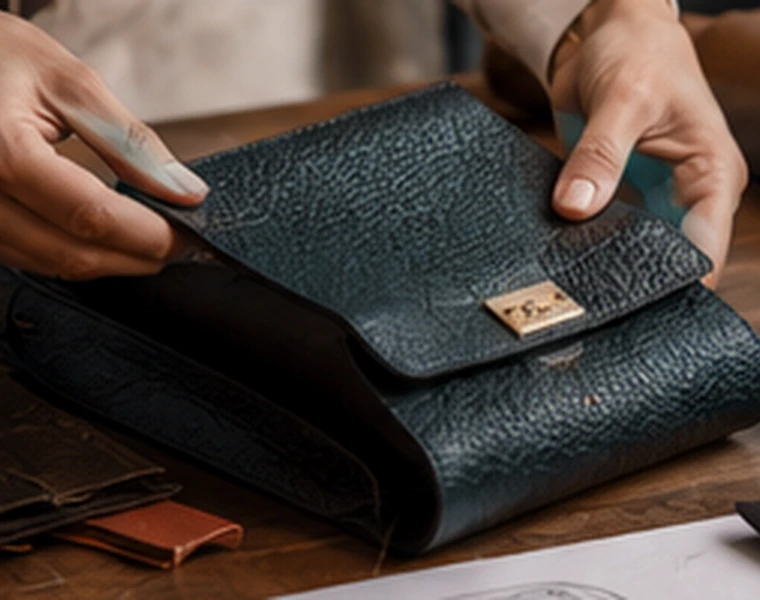
Made in Italy luxury handbag

Before you contact a factory

Questions Worth Asking Before Development Begins

Exact conditions depend on the selected producer and article. These answers are intended to improve the quality of the first discussion.

Can I ask for exclusivity?

Exclusivity may be possible for original developments or for defined markets and periods, but it must be negotiated and written into the commercial agreement.

Are low minimums always available?

No. Minimums depend on leather purchase requirements, color splits, hardware, workflow and the economic size of the order for that producer.

Should I send a tech pack?

A detailed tech pack is helpful but not always mandatory. Clear dimensions, functions, references, target price and intended materials are the minimum useful starting point.

How many samples are normally needed?

That depends on how resolved the design is. Complex new models may need several rounds; adapted or White Label products can often move faster.

Can the supplier source custom hardware?

Often yes, but custom molds, plating, minimum purchases and lead times can be significant. Standard or semi-custom components may be more efficient.

What should be approved before production?

At minimum: final sample, materials, colors, hardware, branding, packaging, quantities, tolerances, delivery terms and payment conditions.

Request information

Describe the Project in Terms a Manufacturer Can Use

The more concrete the request, the easier it is to identify companies with the right product experience and production structure.

  • Bag categories and approximate number of models
  • Target market, price position and sales channel
  • Expected units by model or color
  • Preferred route: Private Label, White Label or adapted model
  • Materials, required launch window and delivery country